Church WiFi Upgrade with Heat Mapping in Venice FL
A church in Venice, FL was dealing with spotty wireless coverage - the kind where it works fine in one spot and drops off completely a few feet away. For a space that hosts services, events, and staff throughout the week, that's a real problem. Unreliable WiFi isn't just an inconvenience. It disrupts live streaming, digital giving, and day-to-day operations.
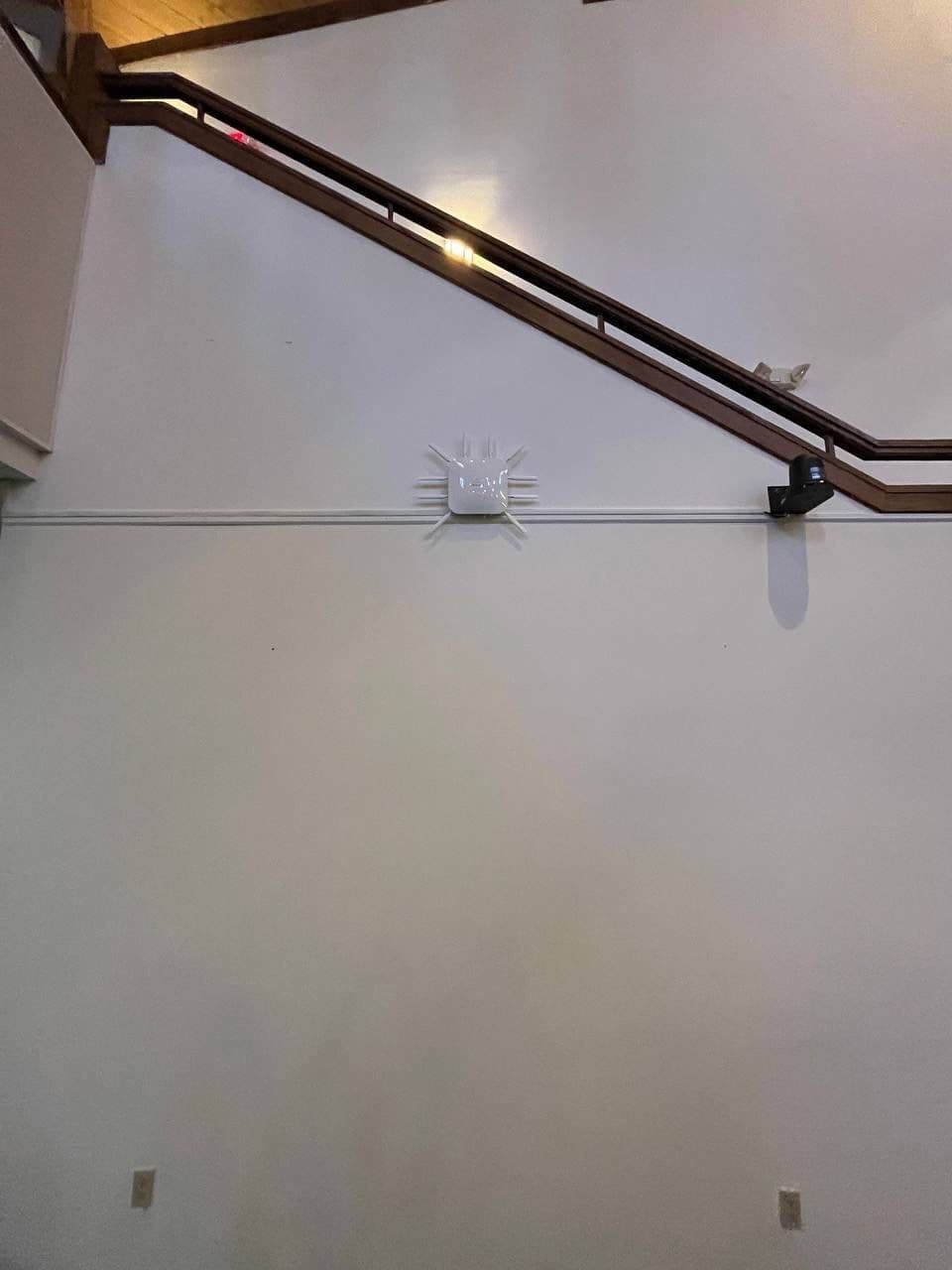
Before touching a single access point, we heat mapped the entire space. That process shows us exactly where the signal is strong, where it's weak, and where there are dead zones. It takes the guesswork out of the equation completely. From there, we repositioned the existing Fortinet access points and filled in the gaps with additional units where the coverage data said they were needed.
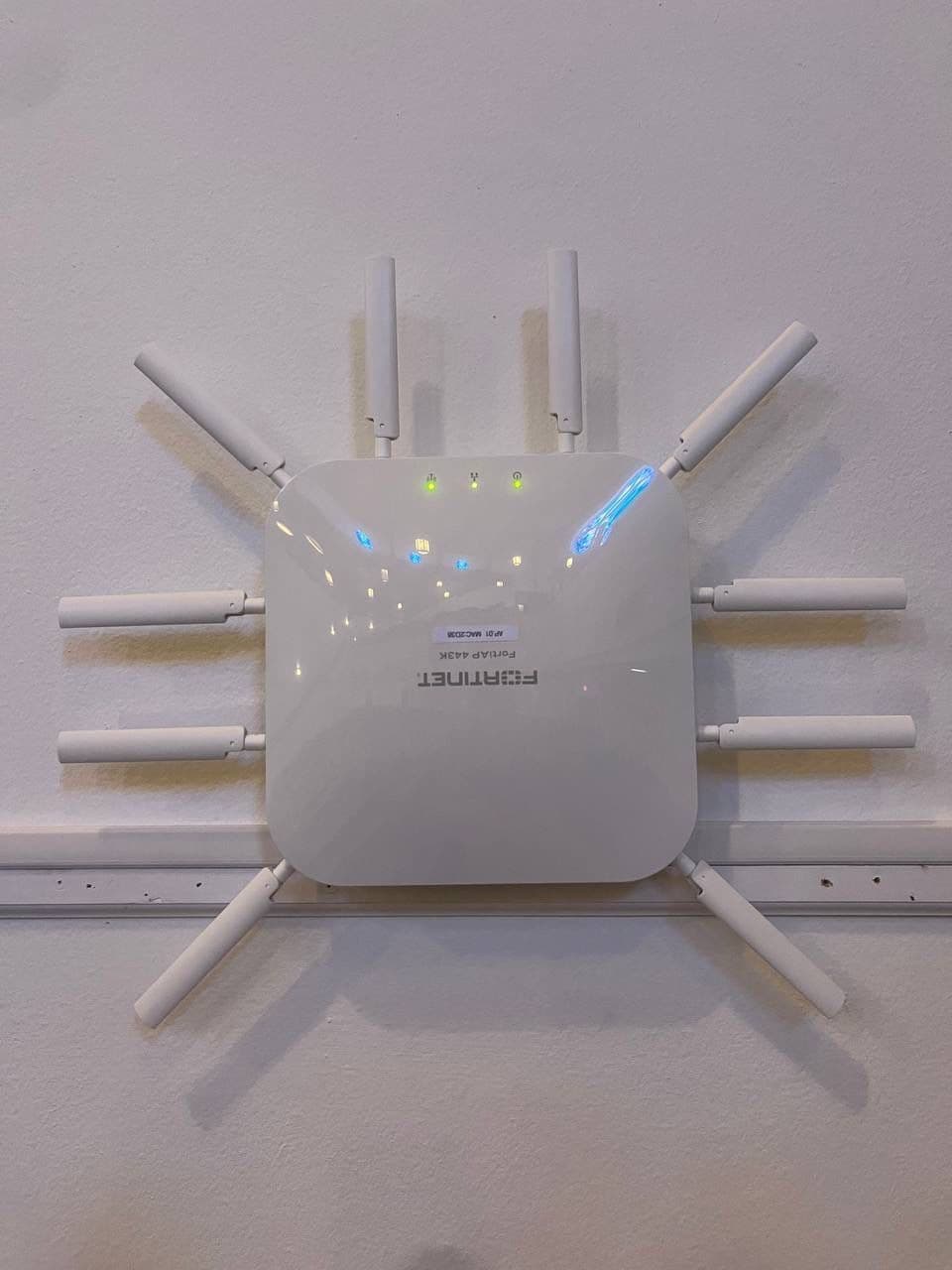
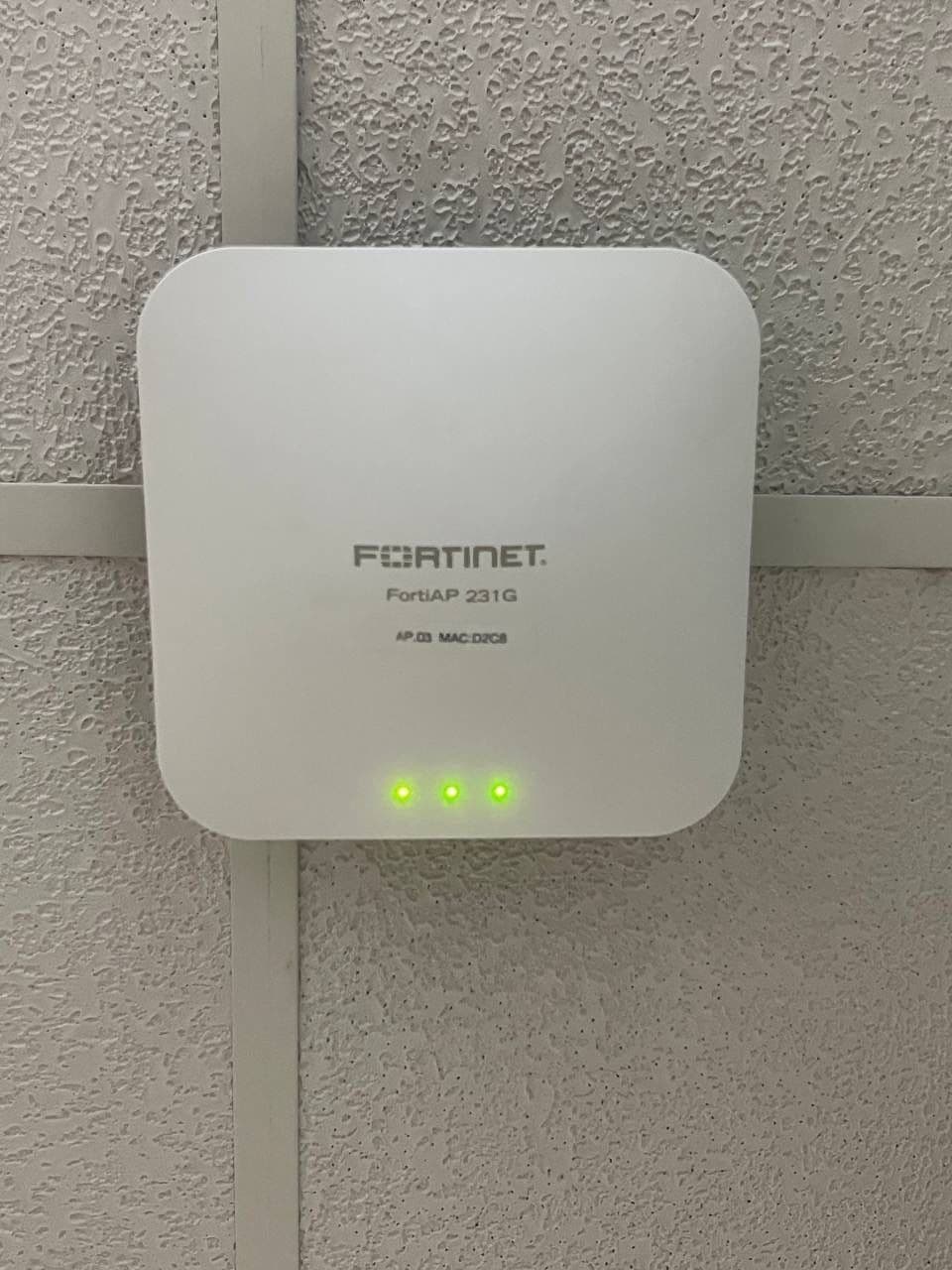
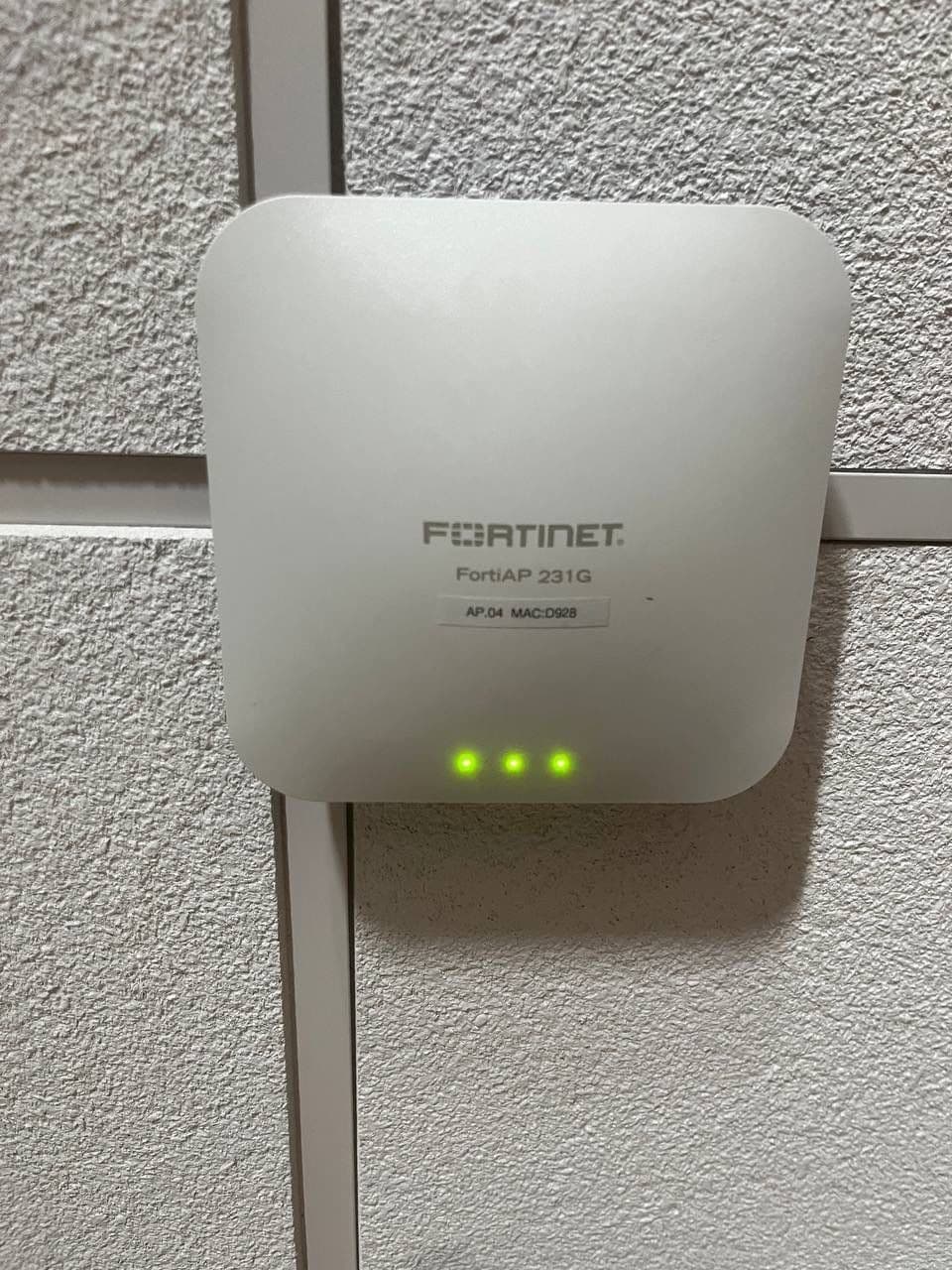
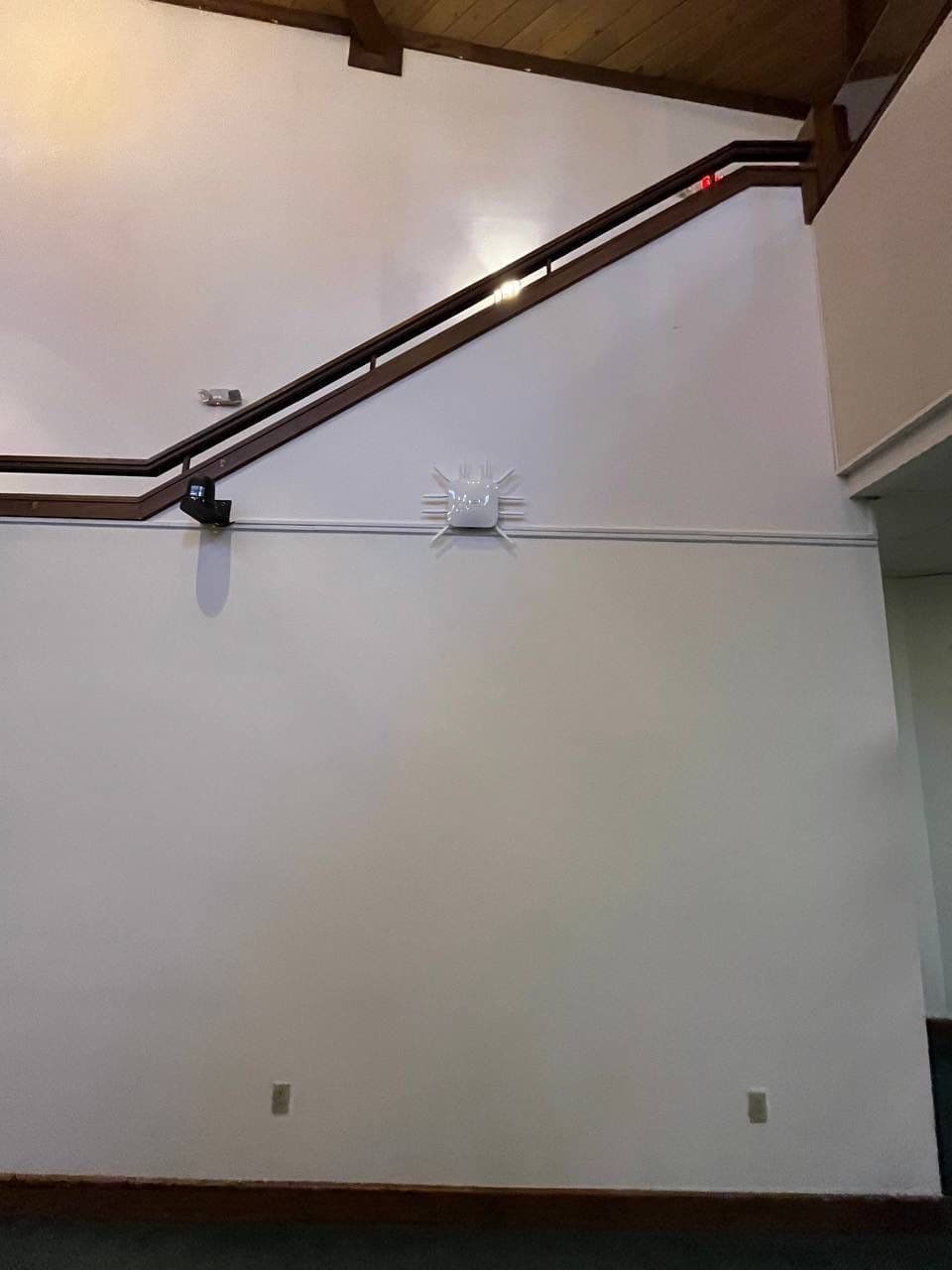
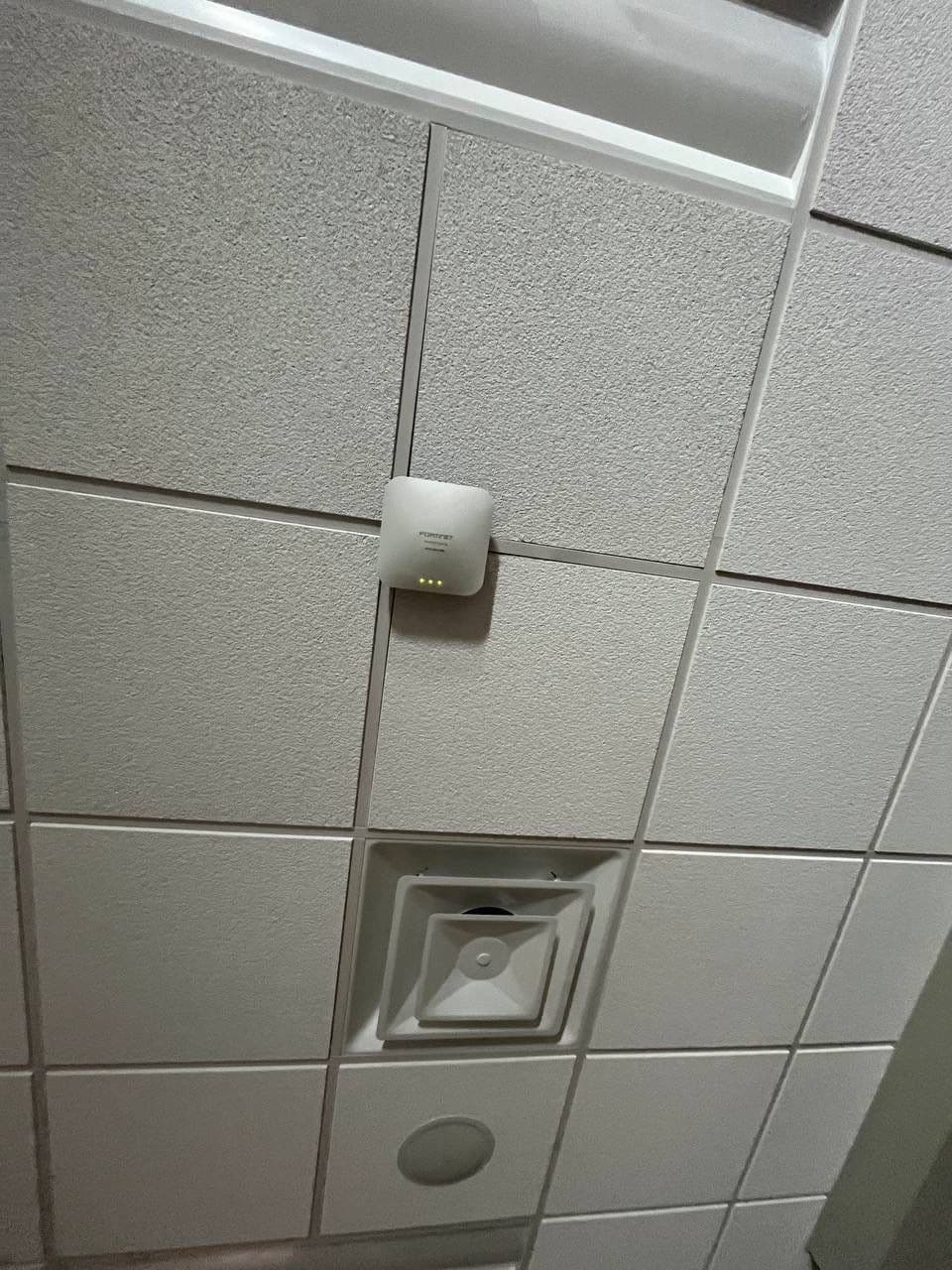
The mix of hardware here tells part of the story. The Fortinet FortiAP 443K handles the high-density areas - that's the unit with the full antenna array, built to push signal across a large open space like a sanctuary. The FortiAP 231G units cover the tighter areas like hallways and secondary rooms. Each AP is placed deliberately based on what the heat map showed us, not just what looked right visually.
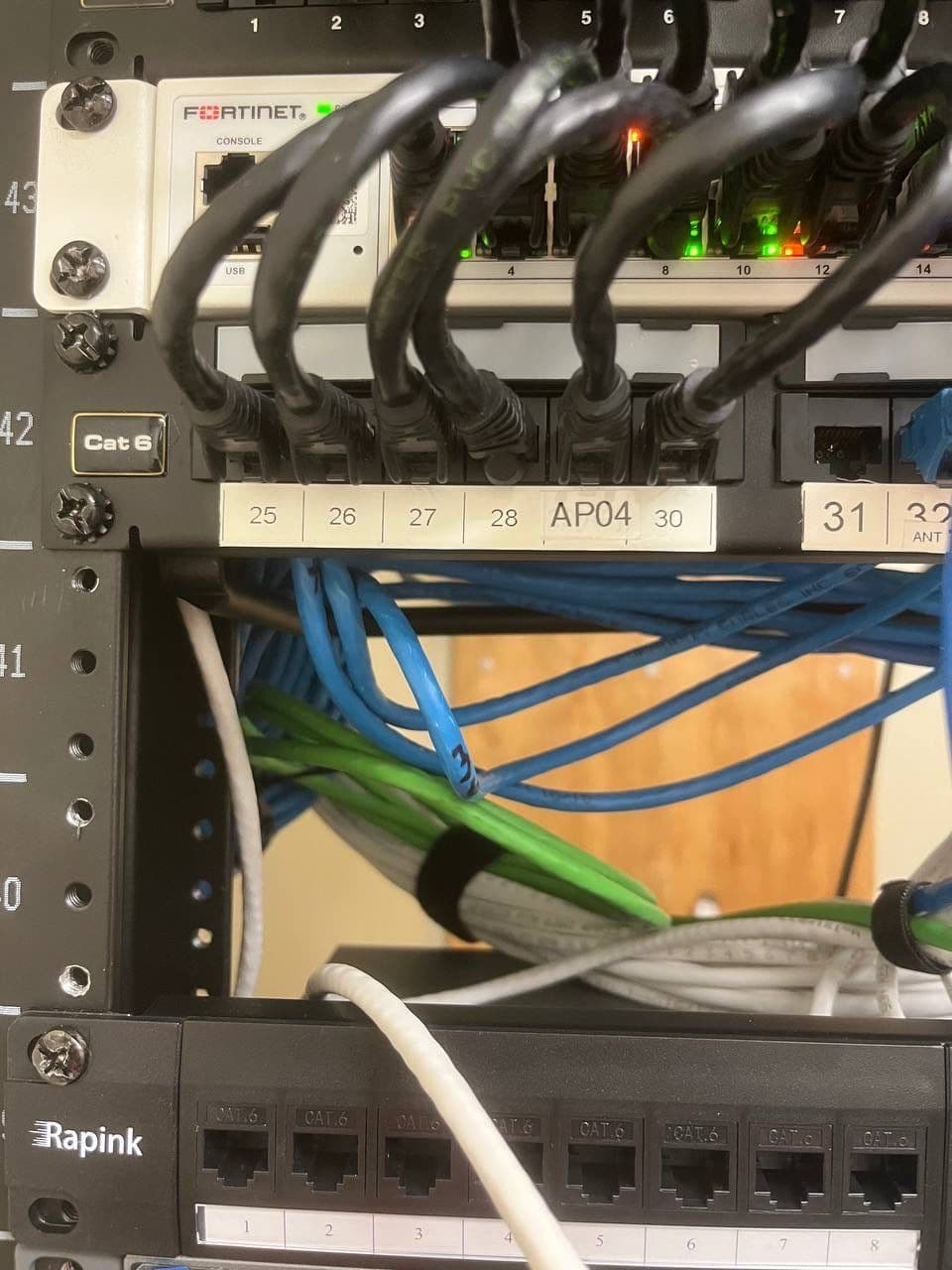
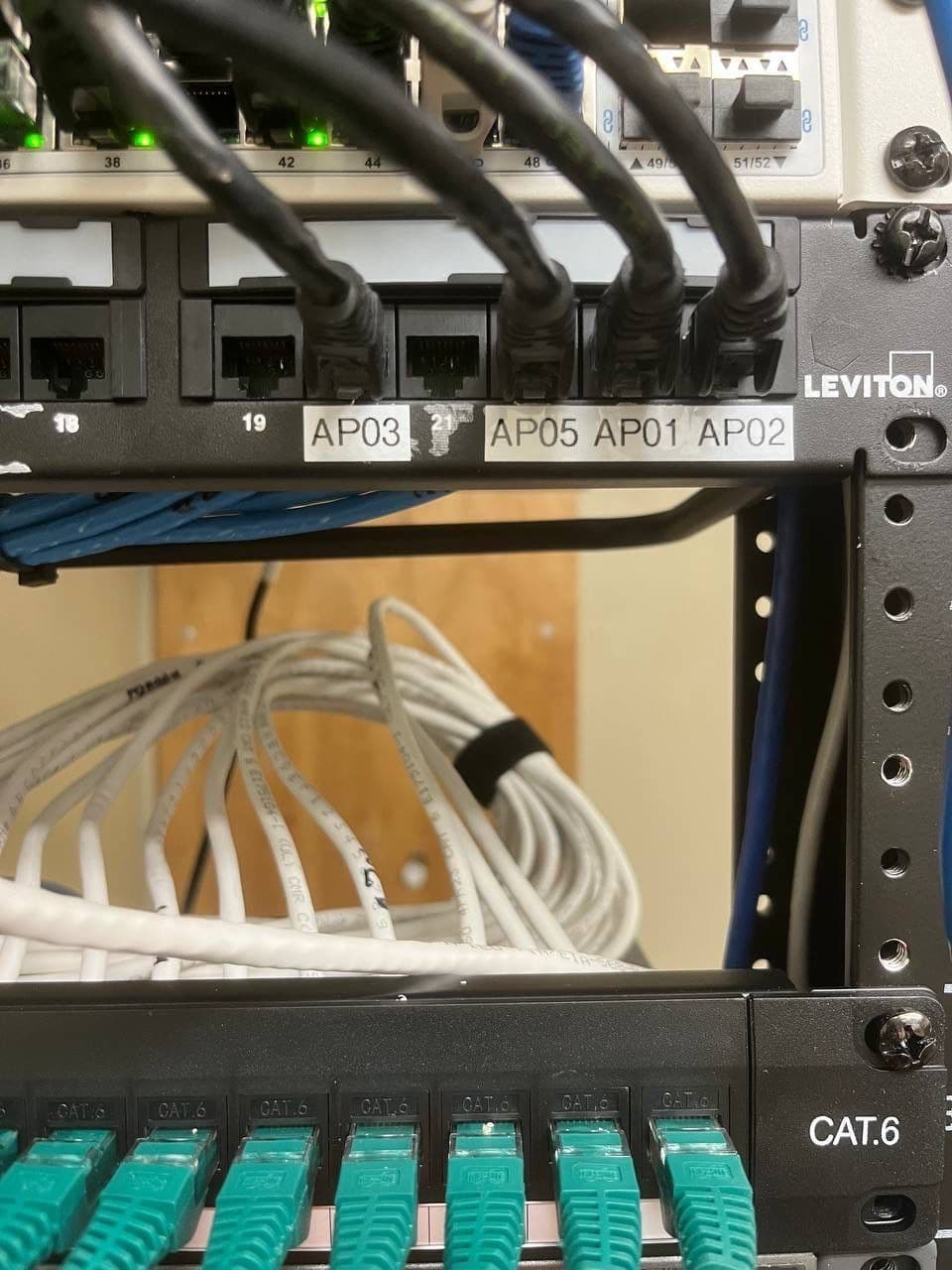
One piece of this job that doesn't get enough credit is the labeling. Every access point on the wall has a clear label - AP01, AP02, AP03, and so on - and those same labels are applied to the corresponding patch panel ports back at the rack. That means if something ever goes wrong with a specific AP, whoever is troubleshooting it can trace it back to the source in seconds instead of spending an hour tracing cables.
The end result is full wireless coverage across the building, running on a clean, organized Fortinet infrastructure with Cat 6 structured cabling tied together at the patch panel. No dead zones. No mystery cables. Just a network that works the way it should.